
Bass for Diversity: The Inclusive Vigour of a Bujazzo Musician
Lena Lorberg is a bassist with the National Jazz Orchestra Bujazzo. Her music and the community around it have the, often-unnoticed, potential to connect people beyond boundaries of nationality and social backgrounds.
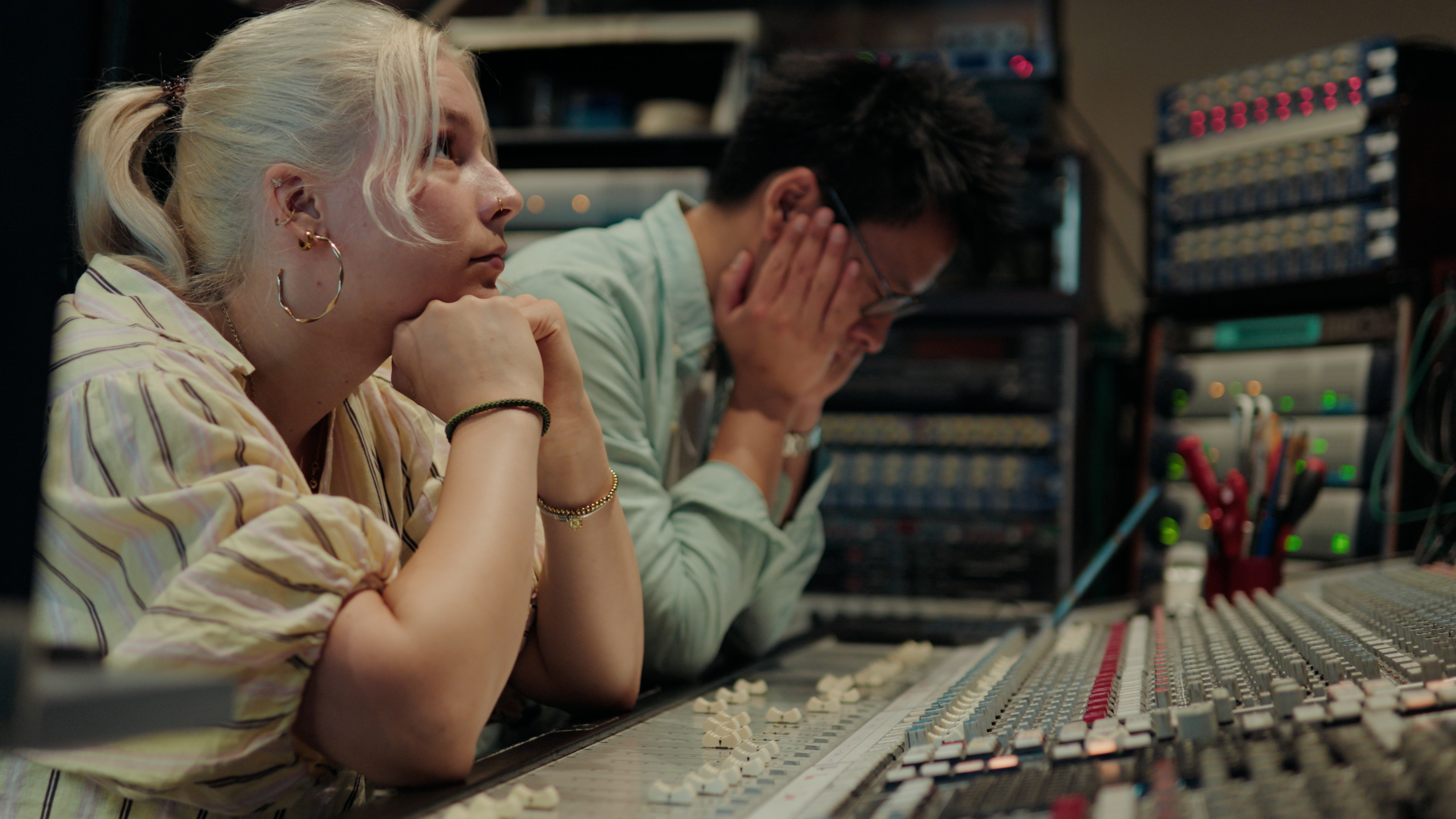
“We continue tomorrow – with a fresh mind,” affirms Lena at the end of a long day in the studio recording her debut album “Lost & Found.” Two fellow musicians and a sound engineer, all her senior, have reached the same conclusion. The jazz players are tired and in need of an overnight rest to regain their concentration and balance.
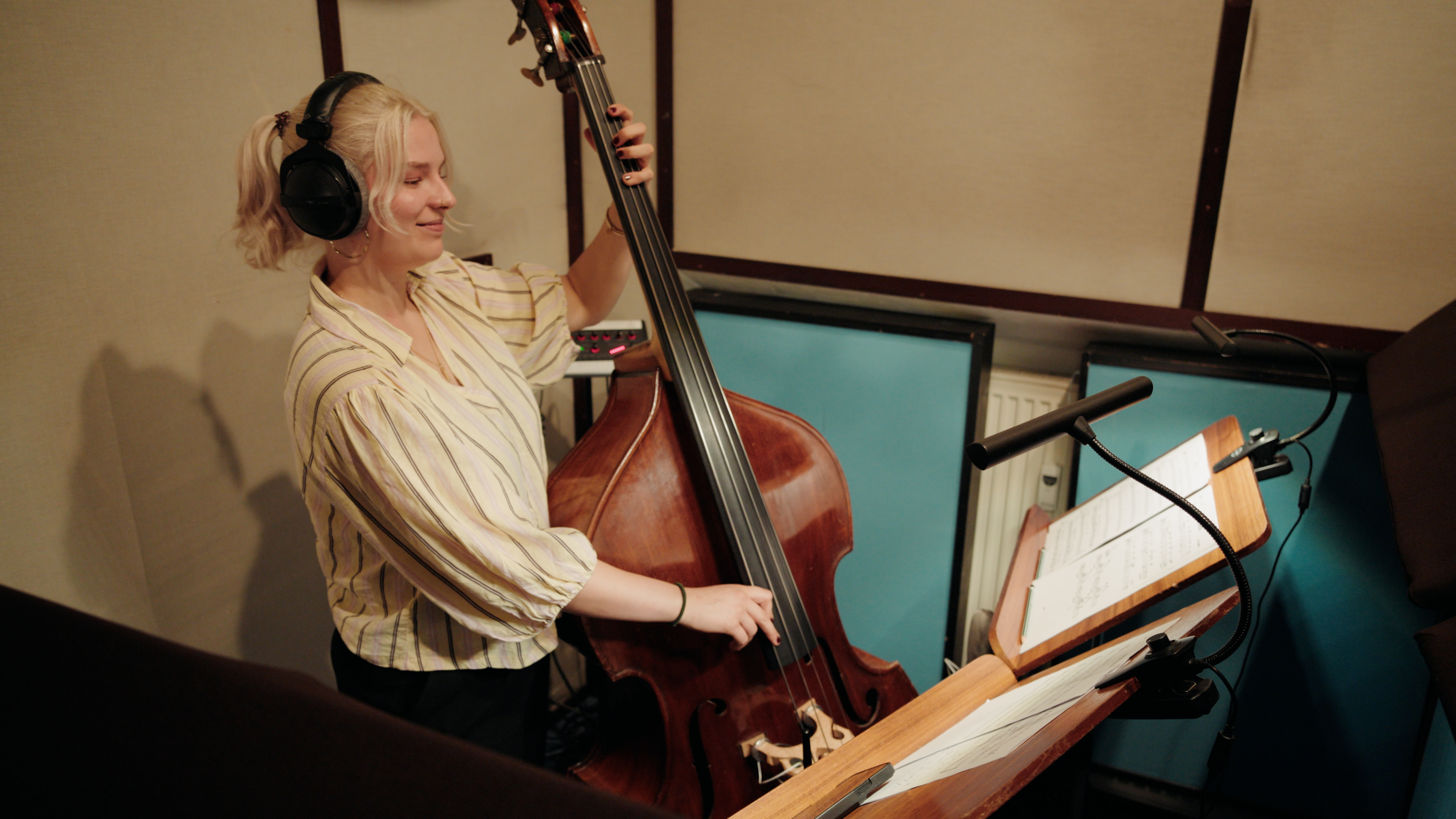
Nineteen-year-old Lena Lorberg started playing the electric and double bass at her secondary school, gradually improving her skills, until she became one of nearly forty talented young musicians selected for Germany’s National Youth Jazz Orchestra. The orchestra embraces youth originally coming from countries around the world including Iceland, India, Turkey, Ukraine, Denmark, Sweden, and Austria. At Bujazzo, she found new friends – similar-minded people sharing the same passion for music, without hard boundaries between members, managers, and artistic directors.
Today, Lena Lorberg holds a scholarship from the Grizzly Foundation, a private initiative that works alongside Bujazzo to enable rising artists. The scholarship includes the production of an album. Six of the eight tracks in the new album “Lost & Found” are Lena’s compositions. A jazz record is a live experience, even in a studio. The music sheet gives only the essentials: the principal tune, the combination of notes beneath it, in addition to the order and length of the track’s sections, while the final interpretation emerges from the musicians’ mood and the immediate interplay of ornamentations and details.
Lena and her colleagues prepare by moulding their ideas and emotions together during creative breaks in which they speak about music and other topics. Later, they express this synergy through their instruments, giving each role its proper space. Age, gender, origin or experience are not important here. The goal is to bring out the full potential of each sound, accepting imperfections and turning them into an aesthetic element that reflects the moment.
As she listens to the takes to select one, Lena’s eyes are focused on her Instagram feed, while her mind is with the music, commenting on a movement or a transition with an excited “cool!”. She enjoys working in the studio but prefers the stage, where the bass keeps her central, even if it is not the loudest. She describes the role this way: “You’re a person that is not too much in the foreground but without you it wouldn’t work.”
On the surface of a jazz ensemble, a wind instrument usually voices the most memorable part, called the melody. This top layer is enveloped by the ambience of the rhythm section. The drums determine the pace and beat; the piano introduces the harmony: group notes that cushion the melody. In between comes the bass with a double role, maintaining time and pulse with the drums but also contributing to the harmonic lining. Its low and long soundwaves pass through other instruments like a stream, helping them find each other. Without the bass, the music’s foundational landscape is disjointed.
Jazz is flexible at its core, acquiring a different formula each time it is played. Roles expand, shrink, and sometimes are exchanged, with unquestioned approval of the members. Music is often created on the spot, when a soloist advances with a one-off improvisation. Amid current global political tensions and economic threats, the spirit of a jazz ensemble may illuminate a unifying and liberating side of us humans and offer a significant source of motivation. In many a daily situation do we long for this jazz ethos, but whether the connection is realized remains a question really.
Lena has grown up in a country where national support for the arts was traditionally strong. Bujazzo’s umbrella institution, the German Music Council, boasts being the world’s largest. Yet, the once-taken-for-granted stable state funding for culture and art is now being debated. Artists petition against proposed cuts and the Parliament negotiate them, sometimes succeeding, other times not. The scene is being rewritten. To nurture talents and independent arts as before, strategic moves, such as seeking crowdfunding, private donors, and money-well-spent, are needed.
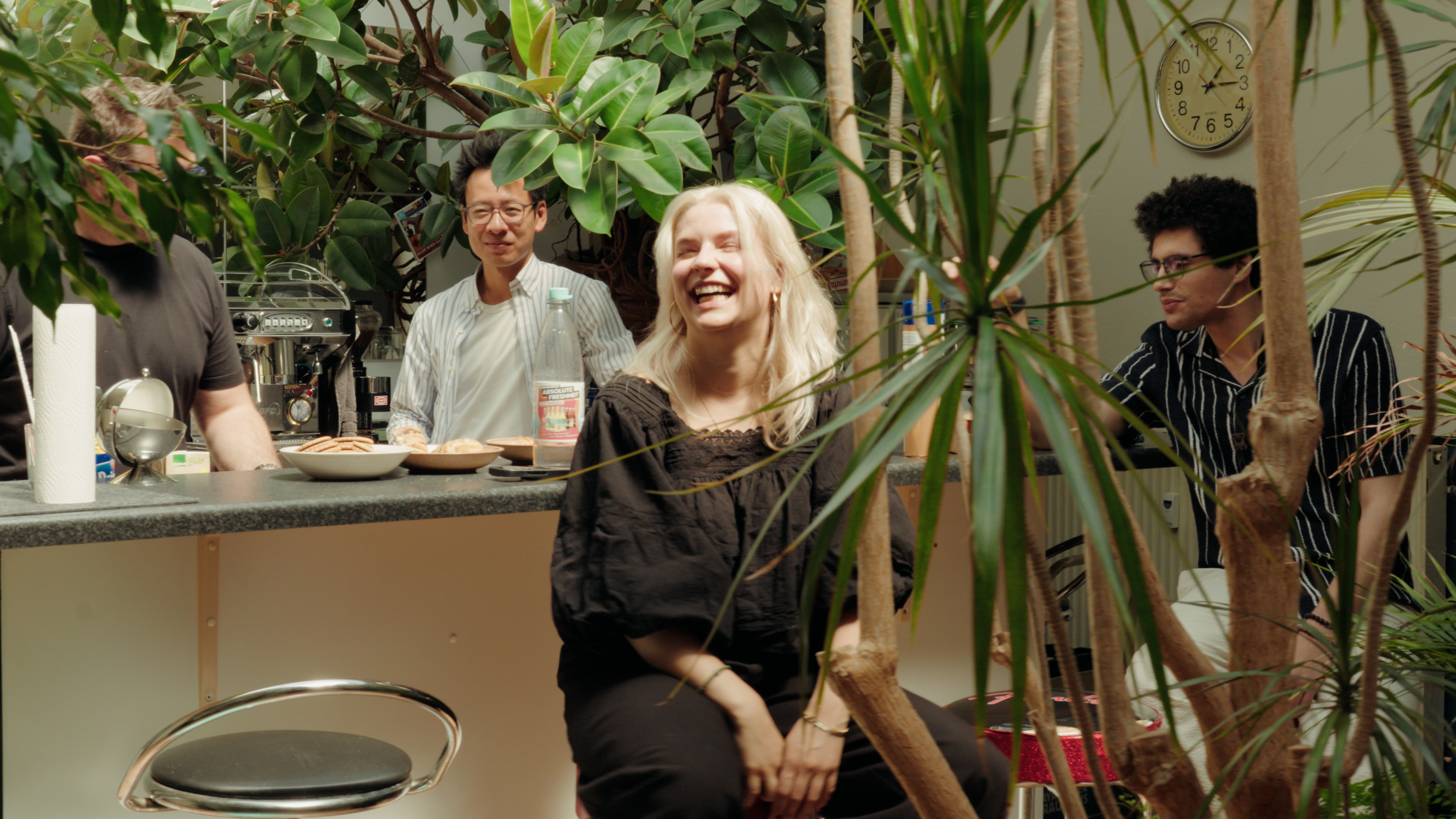
This summer, Bujazzo is able to show resilience in the changing environment. The cross-cultural project “Melodies and Mountains” brings together German and Armenian musical traditions through a jazz perspective. A small country of distinct oriental folk heritage holds a jazz conversation with a classical edifice in a program written especially for Bujazzo. The young jazz stars are braced to live up to the promise of this fusion; perhaps, they hardly find it strange. Music styles “float into each other,” Lena remarks. So, it is another busy summer for Lena, who wishes to spend more time in nature with her horse or to chill on a Mediterranean beach. Still, she sees herself as “young and learning,” maintaining a mindset that encourages not only musicians of Bujazzo but also many hard-working and ambitious young people on their own paths.
Diesen Beitrag teilen via:
Al-Sahira Alkhayer
1984 in Latakia, Syrien, geboren, schloss sie ihr Studium der englischen Sprache, Literatur und Kultur in Damaskus und Leicester ab. Zu ihren Interessen gehört es, Schnittstellen zwischen bildender Kunst und Literatur sowie zwischen Mythologie und dem heutigen Leben zu erkunden. Vor kurzem hat sie sich der Medienwissenschaft zugewandt, um ihre interdisziplinären Erkundungen fortzusetzen, diesmal im Bereich der digitalen Medien und der Ästhetik.