
Deutsche Welle's Journalism Traineeship: International, Hands-On and Challenging
Around 2,000 people apply for Deutsche Welle’s journalism traineeship each year. Only twelve are selected. From day one, the aspiring journalists work in international newsrooms alongside colleagues from around the world. They learn how to report on global issues for an international audience in a clear and accessible way.
Every year, around 2,000 people apply for the program. Only twelve are accepted. The group is deliberately international in composition. The trainees often come from different countries and speak a variety of native languages. According to Ramón García-Ziemsen, head of journalism training at Deutsche Welle, participants regularly include people from countries such as Israel, Ghana, and China. German applicants make up only a small portion of the group.
Learning Through Practice Rather Than Theory
The internship lasts 18 months and combines practical work in the newsrooms with various training modules. Unlike many traditional training programs, the focus is not on theory. “Always do first, then understand” is the guiding principle. On their very first day, the new interns are given a hands-on assignment: Without a cell phone, they must find a relevant story in the city, get someone to agree to be interviewed for it, and present their findings.
Learning by doing continues to be the focus in the months that follow. Trainees rotate through various editorial departments, including news, specialty, and language desks. They also receive training in interviewing, data journalism, podcast production, camera work, and dealing with traumatic events in journalism. Even acting and physical training are part of the program to help trainees gain confidence in front of the camera and overcome personal inhibitions.
Experience at Home and Abroad
A key component of the internship program is the overseas placements. All participants spend time at Deutsche Welle’s international locations. This allows them to gain experience in diverse journalistic and cultural contexts. Topics range from health and sustainability to international political developments.
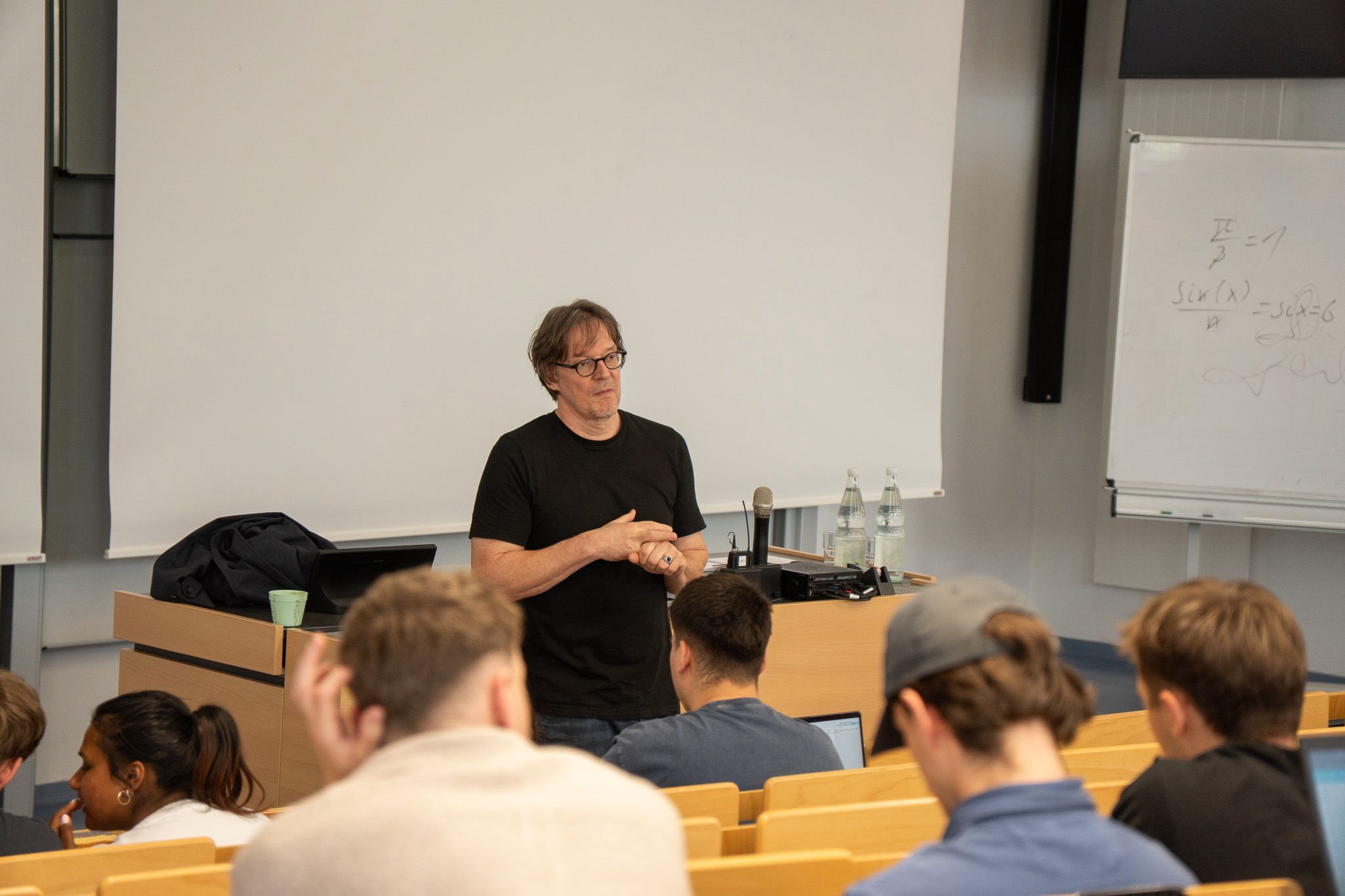
Ramon García-Ziemsen at Bonn-Rhein-Sieg University of Applied Sciences
Who Can Apply
For Deutsche Welle, prior journalistic experience is not the only deciding factor in the selection of applicants. People with unconventional backgrounds also have a chance. Past cohorts have included, among others, a doctor and a forester. We are looking for people who bring their own perspectives and can contribute something the editorial team hasn’t had so far. Teamwork, empathy, creativity, and the ability to listen play an important role here.
The application process is considered demanding, however. In addition to the usual documents, applicants must answer questions and submit a video. According to García-Ziemsen, the cover letter in particular should not simply repeat the resume but should highlight the applicant’s individual motivation and personality.
Opportunities and Challenges
Despite the many opportunities, the program also presents challenges. The workload is heavy, and the intensive training demands a lot from the trainees. Due to Deutsche Welle’s international focus, some also find that their contributions receive less attention in their own local communities, as they are aimed at a global audience. At the same time, many trainees see this very aspect as an important learning experience. Mistakes are expressly allowed and even encouraged, García-Ziemsen emphasizes. What matters most is the willingness to step outside one’s comfort zone and try new things.
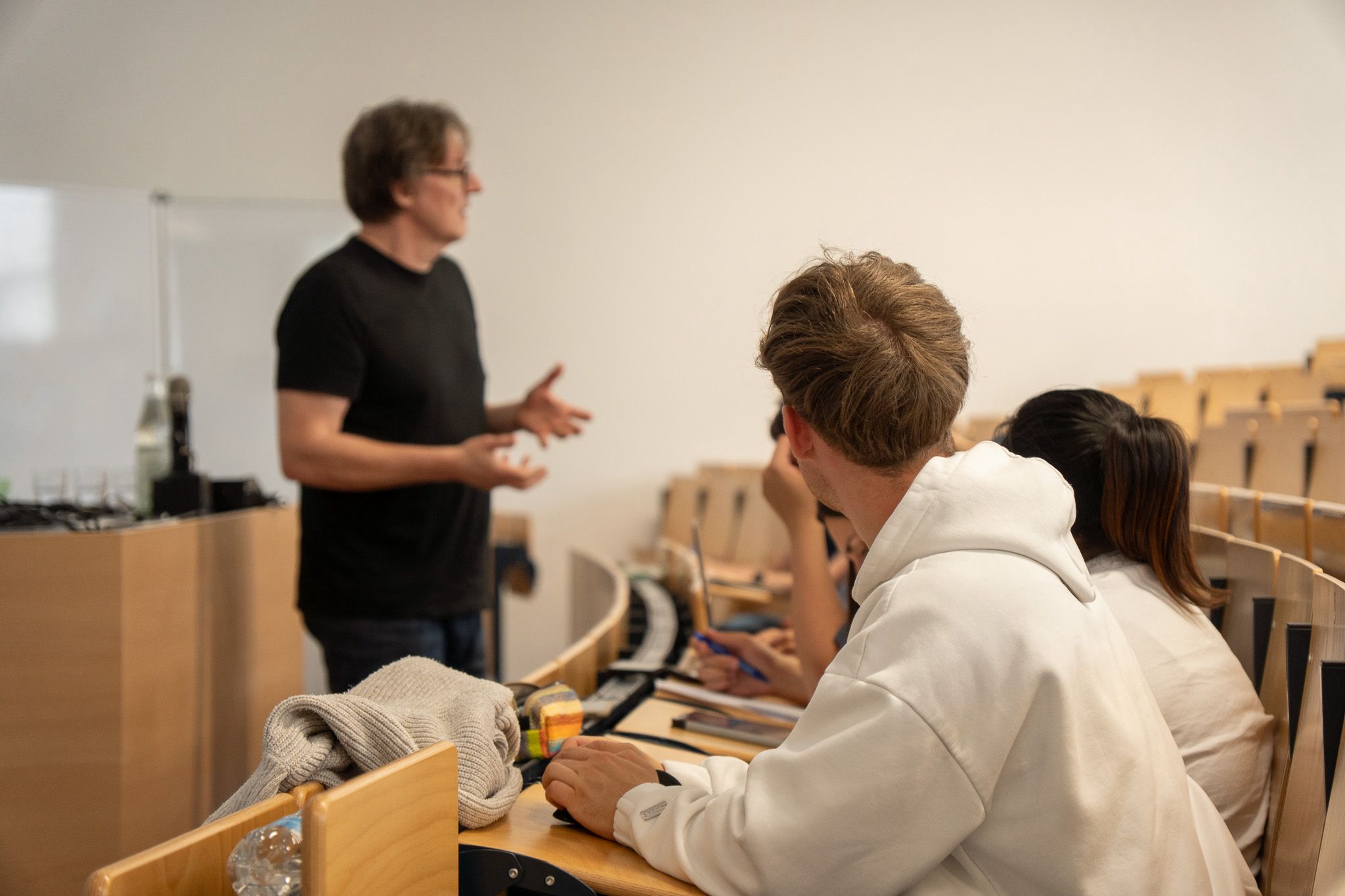
Ramon García-Ziemsen talks about the internship program at Deutsche Welle
Good Career Prospects After Graduation
Those who successfully complete the internship program have good career prospects. A distinctive feature of the program is its high retention rate: Deutsche Welle trains interns specifically to meet its own needs. According to García-Ziemsen, most graduates from previous cohorts are still employed by the company.
The Deutsche Welle internship program is therefore aimed at people for whom journalism is more than just working with media. It requires curiosity, openness, and a desire to cover socially relevant topics for an international audience. To this end, the program offers not only journalistic skills but also the opportunity to get to know people, cultures, and perspectives from all over the world.
Share this article via:
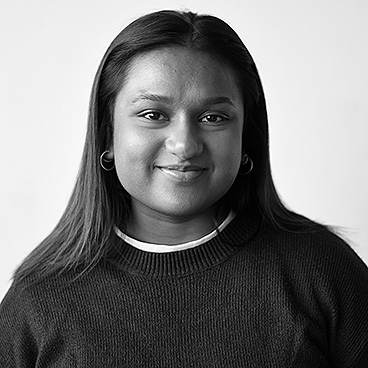
Khushi Bhardwaj
Khushi Bhardwaj has a passion for sports—especially football. Few subjects engage her as deeply as current games, teams, and athletic developments. Whether analyzing results or discussing thrilling moments, when she talks about sports, she quickly loses track of time. For this reason, she aspires to become a sports presenter. What particularly excites her is the prospect of covering live sporting events, providing context, and making them accessible and engaging for audiences.
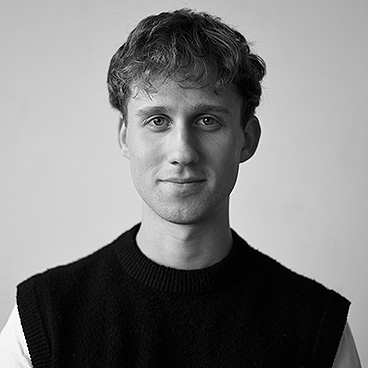
Alexander Buss
Alexander Buss was born in Bonn in 2004 and enjoys telling stories through film. He began writing his first screenplays as a child, bringing them to life together with his siblings in their childhood bedroom. During high school, he decided that he wanted to become a film director. Today, he works as a student assistant at a social media film agency, supports music video, feature film, and commercial productions, and develops his own film projects. Music is another important part of his life: as the lead singer of a band, he regularly performs on stage.
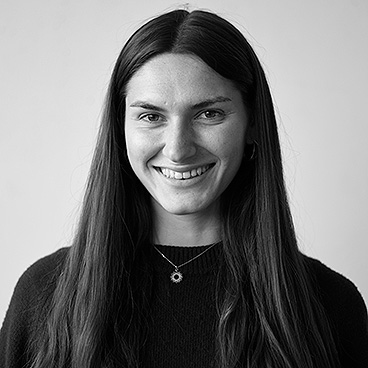
Sophia Härig
Sophia, who was born in Cologne, spent seven months in Australia after graduating from high school before completing vocational training as an office management assistant. She then worked in event management for several years, organizing events with up to 1,000 guests. Over time, however, she realized she wanted to pursue a more creative career. Today, she is gaining practical experience in video editing for a film production company. In her free time, she enjoys traveling, staying active, and working on creative projects. Her goal is to build a career in the creative industries.
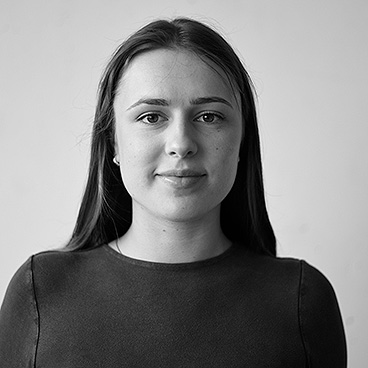
Milena Hornig
Milena Hornig first discovered her passion for photography through a drone, which she used to capture special places and moments while traveling. Later, she added a camera to her equipment: she started by photographing family and friends before taking on her first professional assignments. During an internship at an advertising agency, she designed her own website and worked on various client projects, including merchandise for Sparkasse.
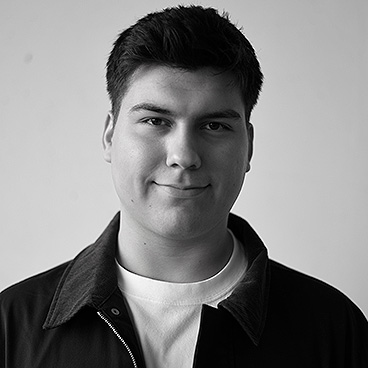
Ricardo Ray Jacome Zaldumbide
Ricardo Ray Jacome Zaldumbide is interested in films, video games, and social media. In his free time, he analyzes films, programs his own video games, and keeps up with the latest developments on social media platforms. He is gaining practical experience as a social media manager at a brewery in Aachen. What fascinates him most is the combination of creativity and digital communication. In the future, he hopes to work in social media and produce his own videos for YouTube.
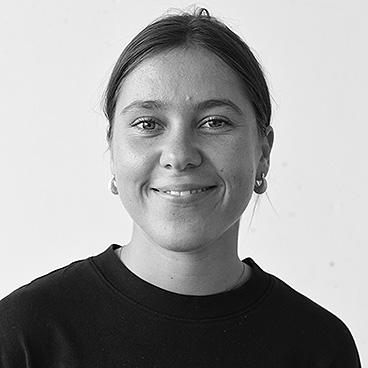
Lena Wohlgemuth
Lena Wohlgemuth, born in 2003, first entered the world of media through an internship at a radio station in Stuttgart. There, she had the opportunity to produce her own show and gain her first hands-on experience. She also gained new perspectives during a work and travel stay in Australia, where she met people from different backgrounds and explored new places. She is particularly interested in combining media with creative work and hopes to pursue a career in this field.