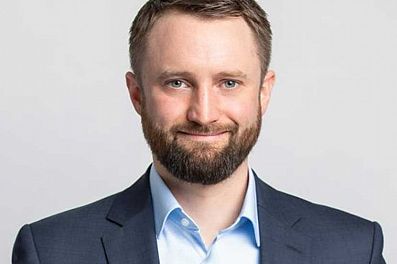
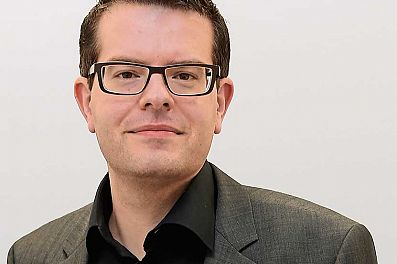
“‘We’ve always done it this way’ – this phrase no longer works,” says Christian Stahl, head of the Rhein-Sieg local editorial team at Kölner Stadt-Anzeiger. What is more important in local journalism is the willingness to constantly engage with new topics and perspectives.
Tobias Jobke from the Federal Office for Information Security tries to make people more aware of cyber security in his job. However, it is not always easy to make the topic understandable for laypeople. He has five tips for young professionals.
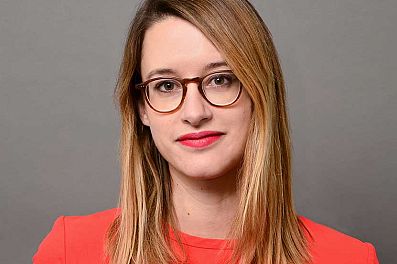
Laura Terberl is head of audio and video at Süddeutsche Zeitung. Her job requires problem-solving expertise, says Terberl. “I can’t do that; I’ve never done that before.” is not something she wants to hear from her team.
Dennis Horn, who describes himself as a “nerd on duty” and a digital expert, deals with the journalism of the future. He works on innovation projects at the WDR Innovation Hub. “There are always flops,” says Horn. “But that’s part of the job.”
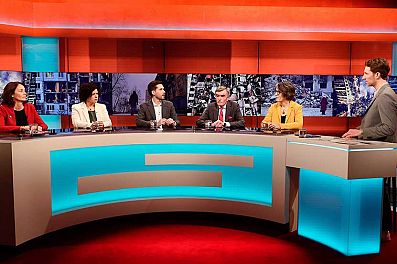
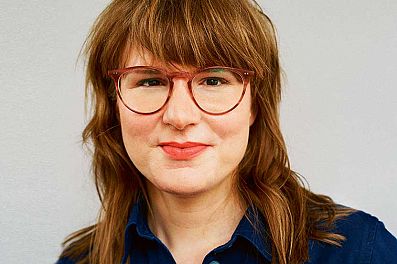
Franziska Jünger vets the guests for the political talk show ‘hart aber fair’. The task is challenging when “ordinary citizens” are invited onto the show, says Jünger. Expressing an opinion on the phone is different from speaking in front of an audience of millions. She has a very special tip for starting out in this job.
Martina Kix is editor-in-chief of ZEIT Campus. She rarely has a normal working day, says Kix, because something surprising always happens. She advises young people: “Go to the local editorial offices and try things out.”
“The media industry is constantly changing,” says Markus Bach from AUTO ZEITUNG. “It is important not to lose touch. We underestimated the transition into video,” admits Bach. In retrospect, however, it was worth the effort to convert content into moving images.